







MUSCAT, APRIL 15
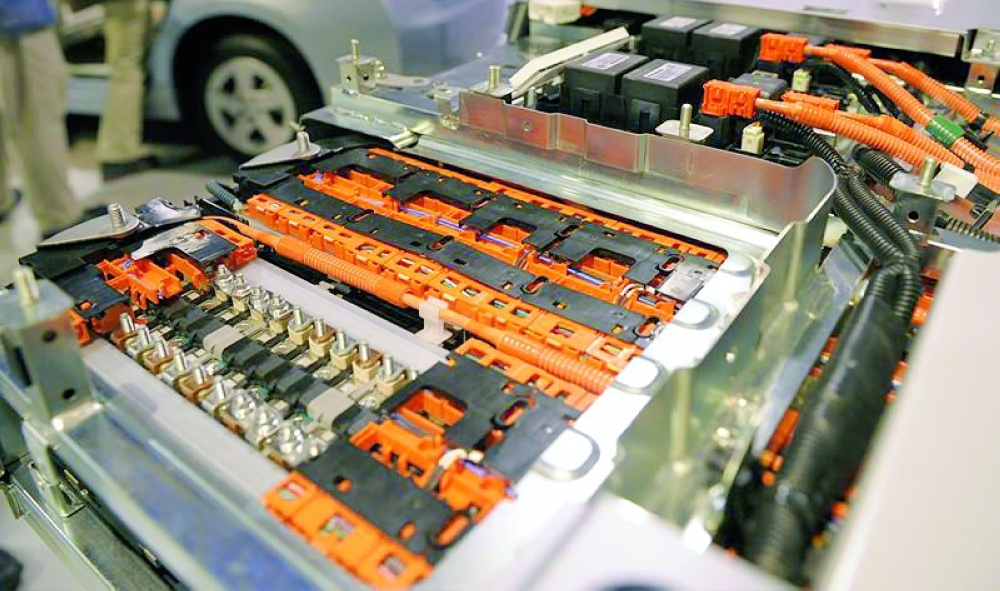
With the global shift towards clean energy, the challenges of managing spent electric vehicle (EV) batteries are emerging, alongside promising opportunities for utilising them in sustainable energy storage solutions. In this context, a recent study conducted in the Sultanate of Oman revealed the high technical and economic feasibility of reusing these batteries within renewable energy systems.
The study was carried out by a research team comprised of Sarah al Zajali, Haya al Ghabshi, Zalkha al Akhzami, and Dr Mohammed al Alawi from the College of Engineering and Technology at the University of Technology and Applied Sciences, Muscat.
Sarah al Zajali, one of the study's team, stated: "The study's findings aimed to support the integration of renewable energy, improve energy efficiency and promote sustainable energy solutions in the region. The research demonstrated that integrating reused batteries with photovoltaic solar energy systems can provide reliable, cost-effective and environmentally sustainable energy".
The study's results indicated that integrating reused batteries with photovoltaic solar energy systems can provide reliable and cost-effective energy, while also delivering tangible environmental benefits. The study also demonstrated that the charging and discharging efficiency of these batteries exceeds 91%, enhancing their technical reliability.
Three sites in the Sultanate of Oman were included in the study representing diverse environments: Al Dhafrat (residential), Al Duqm (industrial) and the Shaleem and Al Hallaniyat Islands (remote coastal). Four 25-year power system scenarios were analysed, involving the use of new and used batteries within solar and hybrid (solar-wind) systems. The results showed that systems utilising batteries with a second lifespan achieved significant economic savings compared to new batteries. The hybrid (solar-wind-used batteries) system recorded the lowest adjusted cost of energy in Al Duqm: 8.29 cents/kWh and the lowest in the Shaleem and Al Hallaniyat Islands: 6.94 cents/kWh. In Al Dhafrat, the solar system with used batteries achieved competitive performance at a cost of 16.14 cents/kWh, registering a positive net present value, reflecting its investment viability.
The study confirms that reusing electric vehicle batteries represents a practical path to supporting the circular economy, especially since these batteries retain 70–80% of their original capacity after use in vehicles. This aligns with Oman's efforts to strengthen its position as a regional hub for clean energy, supported by investments in the battery sector and related materials projects. This contributes to optimising the use of solar energy and reducing waste.
These efforts are consistent with the objectives of Oman Vision 2040, which focuses on economic diversification, rationalising resource use and transitioning to a circular economy model based on reuse and recycling.
Oman Observer is now on the WhatsApp channel. Click here


